



Senior Living Options in the United States: A Comprehensive Guide
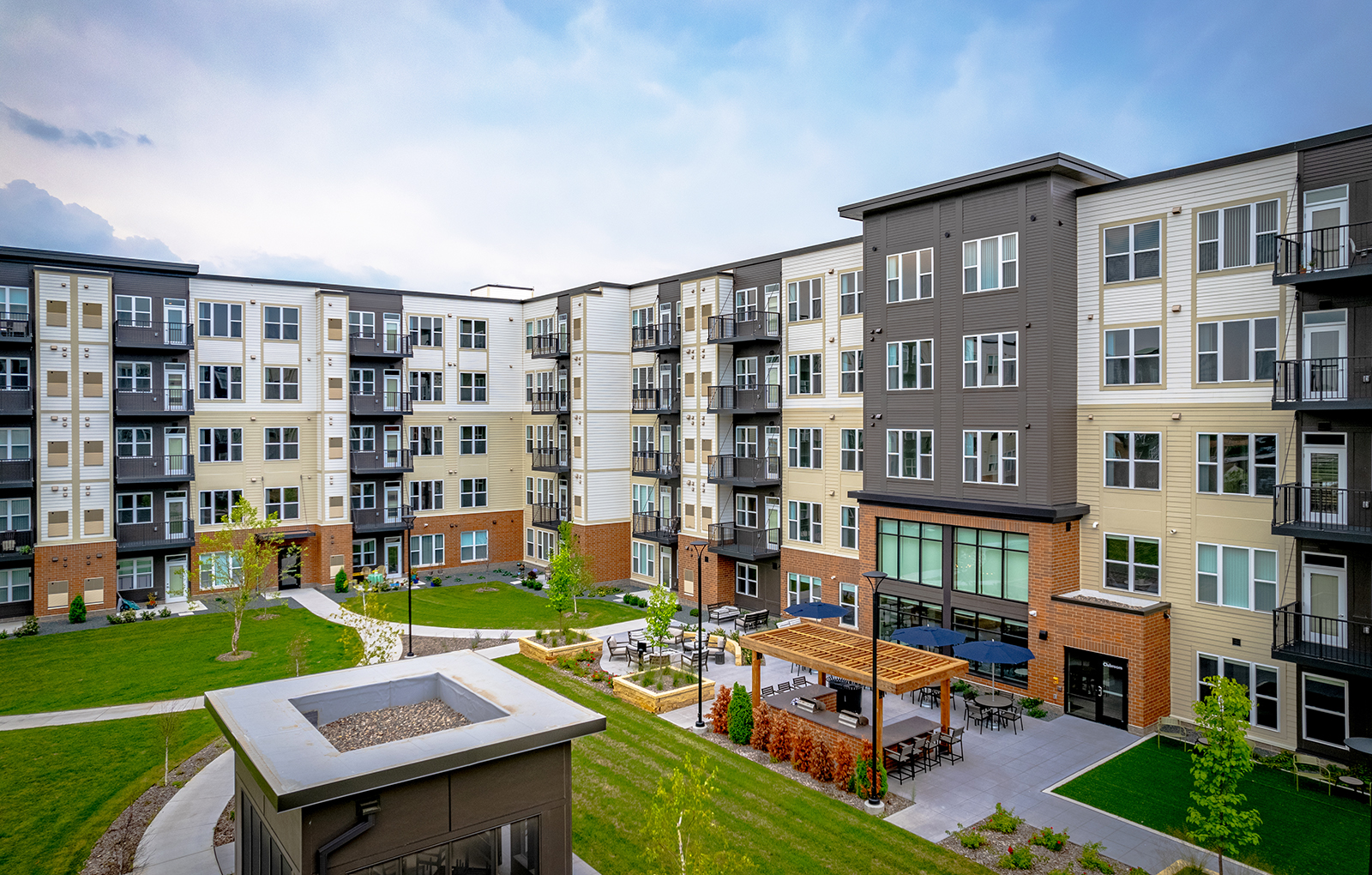
Understanding Different Types of Senior Living
The first step in the selection process is identifying the level of care required. Senior apartments are generally categorized by the services they provide.
Independent Living Communities
These are designed for active seniors who do not require medical assistance but want to downsize. Residents live in private apartments and enjoy shared amenities like fitness centers, dining halls, and social clubs.
Assisted Living Facilities
Assisted living is ideal for seniors who need help with activities of daily living (ADLs), such as bathing, dressing, or medication management. These facilities provide 24-hour staff support while maintaining a residential atmosphere.
Memory Care Units
Often located within larger assisted living communities, memory care provides specialized environments for those with Alzheimer’s or dementia. They feature enhanced security and therapeutic activities tailored to cognitive health.
Skilled Nursing Facilities
Commonly known as nursing homes, these provide the highest level of medical care outside of a hospital. They are staffed by licensed medical professionals and are suited for seniors with chronic conditions or those requiring rehabilitation.

Financial Expectations for Senior Housing
Costs vary significantly based on the state, the level of care, and the amenities provided. Based on 2026 national estimates, the following monthly rates reflect the current market for senior care.
Independent Living Costs
The median monthly cost for independent living is approximately $3,065. These communities focus on lifestyle and convenience, offering a maintenance-free living environment for active seniors. Prices in states like Mississippi can be as low as $1,300, while premium markets like Maine or California often exceed $4,000.
Assisted Living Costs
For those requiring daily personal care, the national median cost has risen to approximately $6,129 per month. This fee typically covers room, board, and basic assistance with daily tasks. Highly sought-after regions like the Northeast can see prices climb above $9,000.
Memory Care Costs
Due to the specialized staffing and security required for cognitive support, memory care is more expensive, with monthly rates generally ranging from $7,800 to $8,800. These units provide a safe environment specifically designed to reduce anxiety and wandering for residents with dementia.
Skilled Nursing Costs
As the most clinical option, nursing homes carry the highest cost. A semi-private room currently averages about $9,555 per month, while a private room averages $10,965. In high-cost areas like Alaska or Connecticut, these monthly expenses can significantly exceed the national average.
Financial Assistance and Payment Options
Navigating the financial aspect of senior living is a primary concern for many families. Several programs can help offset the costs.
- Medicare: Generally does not cover long-term room and board in assisted living or independent living. It primarily covers short-term stays in skilled nursing for rehabilitation.
- Medicaid: This state and federal program may cover long-term care for seniors with limited assets and income. Availability varies by state.
- Long-Term Care Insurance: Private policies that are specifically designed to cover the costs of assisted living and memory care.
- VA Benefits: Veterans and their surviving spouses may be eligible for the “Aid and Attendance” benefit, which provides a monthly stipend for care costs.
Key Factors to Consider When Choosing a Community
Before signing a lease or contract, it is essential to evaluate the community thoroughly.
Location and Accessibility
Consider the proximity to family members, high-quality hospitals, and local shopping centers. A well-located apartment ensures that the resident remains connected to their support network.
Staff-to-Resident Ratio
In assisted living and memory care, the ratio of staff to residents is a critical indicator of the quality of care. Ask for specific numbers during your visit.
Safety Features
Ensure the apartments are equipped with grab bars, emergency call systems, non-slip flooring, and wide doorways to accommodate mobility aids.
Professional Evaluation Advice
To gain a complete understanding of a facility, it is recommended to visit a potential community at least twice. While an official tour provides a great overview of the amenities, scheduling a second, unannounced visit during a mealtime allows you to observe the community in its natural state. This approach provides an authentic view of the food quality, staff responsiveness, and the level of genuine interaction between residents, ensuring you make a decision based on the daily reality of the environment.
Conclusion
Selecting the right senior living option in the United States requires a balanced assessment of medical needs, financial resources, and lifestyle preferences. By understanding the distinctions between independent living, assisted living, and skilled nursing, families can make informed decisions that ensure long-term comfort and safety. The most successful transitions occur when caregivers and seniors start their search early, set a realistic budget, and perform thorough on-site evaluations of multiple facilities. Ultimately, the goal is to find a community that provides the necessary level of care while fostering a high quality of life and a sense of belonging for the resident.