



Home Remodeling in 2025: A Guide to Transforming Your Space with Style and Functionality
This guide explores the multifaceted world of home remodeling, providing insights into navigating the process, from initial conceptualization to enjoying your beautifully transformed and highly functional abode, all while considering the latest trends and sustainable practices.
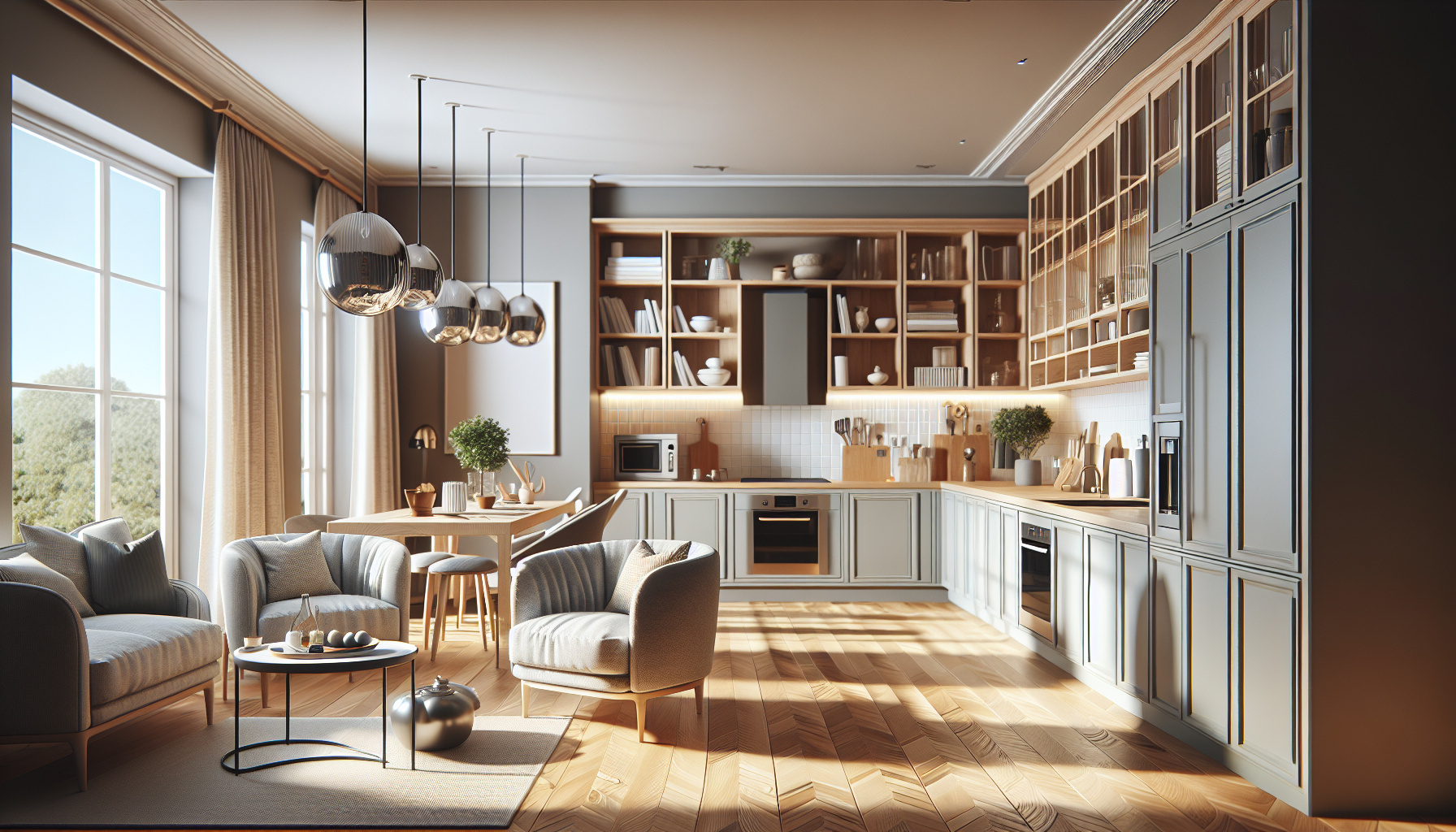
Home remodeling in 2025 is more strategic than ever, driven by a desire for personalization, sustainability, and smart home integration. Whether it’s a minor refresh or a major structural overhaul, the goal remains consistent: to create spaces that perfectly align with your needs and aspirations. This comprehensive guide will walk you through the essential considerations for embarking on a successful home transformation project.
Practical Guidance: Evaluating and Selecting Your Remodeling Path
Embarking on a home remodel requires careful planning and a clear understanding of your goals. The first step involves a thorough evaluation of your existing space and a realistic assessment of what you want to achieve. Consider both your immediate needs and future aspirations.
Defining Your Remodeling Project Scope
Before any demolition begins, it’s crucial to define the scope of your project. This involves identifying which areas of your home will be affected and to what extent. Common remodeling categories include:
- Kitchen Remodels: Often the heart of the home, kitchen remodels typically focus on improving layout, updating appliances, enhancing storage, and selecting durable, stylish finishes. Considerations include workflow efficiency (the “work triangle”), smart appliance integration, and material choices that reflect both aesthetics and longevity.
- Bathroom Remodels: These projects range from cosmetic updates (fixtures, paint, tiling) to complete overhauls, including reconfiguring layouts, adding accessibility features, and installing luxurious amenities like walk-in showers or heated floors. Emphasis is placed on water efficiency and creating a spa-like retreat.
- Basement & Attic Conversions: Transforming unused or underutilized spaces into functional areas like home offices, additional bedrooms, entertainment rooms, or even accessory dwelling units (ADUs). This often involves structural considerations, insulation, waterproofing, and ensuring proper egress.
- Whole-House Renovations: These extensive projects often involve significant structural changes, reconfiguring floor plans, updating major systems (electrical, plumbing, HVAC), and refreshing all interior surfaces. They offer the greatest opportunity for a cohesive design but require meticulous planning and a substantial budget.
- Exterior Remodels: Focusing on curb appeal and structural integrity, these include roofing, siding replacement, window and door upgrades, deck construction, or landscaping enhancements. Energy efficiency and weather resistance are key drivers here.
Budgeting and Financial Planning
A realistic budget is the cornerstone of any successful remodel. It’s advisable to allocate 10-20% of your budget for unexpected issues. Here’s a breakdown of typical cost components:
- Design & Architecture: Costs for architects, interior designers, or structural engineers.
- Materials: The bulk of your budget, covering everything from flooring and countertops to fixtures and paint.
- Labor: Wages for contractors, subcontractors (plumbers, electricians, carpenters), and skilled tradespeople.
- Permits & Inspections: Necessary for ensuring your project meets local building codes and safety standards.
- Contingency Fund: Absolutely essential for unforeseen issues like dry rot, outdated wiring, or plumbing problems discovered once walls are opened.
Understanding the potential return on investment (ROI) can also influence your choices. While a remodel is primarily for personal enjoyment, certain projects tend to recoup a higher percentage of their cost at resale. For detailed insights on ROI, consult resources like the CVV Projects; Journal of Light Construction (Note: Link points to 2023 as 2025 isn’t published yet, illustrative of the type of resource).
Selecting Materials and Finishes
The choice of materials profoundly impacts the aesthetic, durability, and maintenance of your renovated space. In 2025, sustainability and performance are key considerations:
- Flooring: Options range from durable engineered wood and luxury vinyl plank (LVP) to classic hardwoods and versatile tiles. Consider traffic levels, moisture exposure, and ease of cleaning.
- Countertops: Quartz and natural stone (granite, marble) remain popular for kitchens and bathrooms, offering both beauty and resilience. Newer sustainable options include recycled glass and concrete.
- Cabinetry: Custom, semi-custom, or stock cabinets offer varying levels of personalization and cost. Consider materials like solid wood, plywood with veneer, or MDF for different price points and durability.
- Paint & Wall Coverings: Low-VOC (volatile organic compound) paints are standard. Explore textures, accent walls, and even sustainable wallpaper options.
Here’s a comparison of common countertop materials for kitchens, highlighting their key attributes:
| Material Type | Primary Benefits | Durability | Maintenance Level | Typical 2025 Cost Range (per sq ft, installed) |
| Quartz | Non-porous, stain-resistant, wide color range, hygienic | Excellent | Low | $70 – $120 |
| Granite | Natural beauty, heat resistant, unique patterns | Very Good | Medium (requires sealing) | $60 – $110 |
| Laminate | Cost-effective, wide range of patterns, easy to clean | Good | Low | $25 – $50 |
| Solid Surface (e.g., Corian) | Seamless look, repairable, non-porous | Good | Low | $50 – $90 |
| Marble | Luxurious aesthetic, classic appeal | Fair (soft, prone to etching/staining) | High (requires diligent sealing) | $75 – $150 |
Note: Prices are illustrative for 2025 and can vary significantly based on region, supplier, and specific material quality.
Working with Professionals
Unless you’re tackling a minor DIY project, hiring qualified professionals is essential. This includes:
- Architects/Designers: For major structural changes, complex layouts, or if you need help visualizing and planning your space.
- General Contractors: Oversee the entire project, coordinate subcontractors, manage timelines, and ensure quality. Vet contractors thoroughly by checking references, licenses, insurance, and reviewing their portfolios. The National Association of Home Builders | NAHB offers resources for finding qualified professionals.
- Specialized Trades: Plumbers, electricians, HVAC technicians, and roofers. Ensure they are licensed and insured for their specific work.
Always get multiple bids and detailed contracts that outline the scope of work, materials, timeline, payment schedule, and change order procedures.
Long-Term Considerations: Maintenance, Responsibilities, and Ownership Costs
A successful remodel isn’t just about the initial transformation; it’s also about understanding the long-term implications for your home’s upkeep, functionality, and financial impact.
Maintenance Requirements and Recurring Responsibilities
Different materials and systems introduced during a remodel come with varying maintenance needs:
- Material-Specific Care:Hardwood Floors: Require regular cleaning, occasional refinishing (every 7-10 years), and protection from scratches and moisture.
- Natural Stone Countertops: Need periodic sealing (e.g., annually for granite, more frequently for marble) to prevent staining and etching.
- High-Efficiency Appliances: May require specific cleaning products or professional servicing to maintain optimal performance.
- Smart Home Systems: Often involve software updates, occasional troubleshooting, and ensuring compatibility with new devices.
- Structural & System Maintenance:New HVAC Systems: Regular filter changes, annual professional inspections, and duct cleaning.
- Roofing: Periodic inspections, gutter cleaning, and prompt repair of any damage to prevent leaks.
- Exterior Finishes: Siding (cleaning, painting/staining), windows (cleaning, seal integrity checks).
- Landscaping & Outdoor Structures: Decks, patios, and gardens require ongoing care to preserve their appearance and integrity.
Associated Ownership Costs
Remodeling can impact your ownership costs in several ways, both positively and negatively:
- Increased Property Taxes: Significant improvements that add value to your home (e.g., adding square footage, major renovations) will likely result in a higher property assessment and thus increased property taxes.
- Insurance Premiums: A more valuable home, or one with updated systems, may affect your homeowners’ insurance premiums. It’s crucial to inform your insurer of major renovations to ensure adequate coverage.
- Utility Costs: This can be a positive impact. Upgrades like new energy-efficient windows, insulation, HVAC systems, and Energy Star appliances can lead to substantial savings on heating, cooling, and electricity bills. This long-term saving often offsets a portion of the initial investment. The Homepage | ENERGY STAR provides excellent resources on energy-efficient home improvements.
- Resale Value: While not a direct “cost,” the impact on resale value is a crucial long-term financial consideration. Well-executed, timeless renovations generally enhance property value, making your home more attractive to future buyers. Conversely, highly personalized or poorly executed renovations can deter potential buyers.
- Depreciation (for certain elements): While your home as a whole appreciates, individual components like appliances, roofs, and HVAC systems have a lifespan and will eventually need replacement, incurring future costs.
Planning for these long-term aspects ensures that your remodel remains a source of satisfaction and value, rather than an unexpected financial burden.
Disclaimer:
This information is provided for educational and informational purposes only and does not constitute professional advice. Home remodeling projects involve significant financial decisions and potential risks. It is always recommended to consult with qualified professionals, such as architects, general contractors, financial advisors, and insurance providers, before making any decisions related to your specific project. Estimated costs and timelines mentioned are illustrative for 2025 and can vary widely based on location, material choices, labor rates, and unexpected site conditions.
Frequently Asked Questions (FAQ)
Q1: How do I get started with a home remodeling project?A1: Begin by defining your goals, needs, and desired aesthetic. Create a wish list, research design ideas, and set a realistic budget. Then, research and interview potential architects, designers, or general contractors to help refine your vision and execute the project.Q2: Is it better to DIY or hire professionals for a remodel?A2: This depends on the project’s complexity, your skill level, and available time. Small cosmetic updates (painting, light fixture replacement) can often be DIY. However, projects involving structural changes, plumbing, electrical work, or significant demolition should almost always be handled by licensed professionals to ensure safety, compliance with building codes, and quality results.Q3: How important are permits, and how do I obtain them?A3: Permits are legally required for most significant remodeling projects (e.g., structural changes, plumbing, electrical, additions) to ensure your project complies with local building codes and safety standards. Your general contractor or architect will typically handle the permit application process with your local municipal planning department. Skipping permits can lead to fines, difficulties selling your home, and insurance issues.Q4: What are the current trends in sustainable remodeling for 2025?A4: In 2025, sustainable remodeling trends include integrating energy-efficient windows and insulation, installing smart home systems for optimized energy use, choosing low-VOC and recycled materials, incorporating native drought-tolerant landscaping, and utilizing rainwater harvesting or greywater systems where permissible. Prioritizing durability and longevity also reduces waste.