
'%3e%3crect%20width='16'%20height='16'%20fill='%23929CE8'/%3e%3cpath%20d='M4.80395%209.25522C4.30328%2010.7455%204.20056%2012.0648%204.53926%2012.8777C2.94698%2011.6407%202.11814%209.71093%202.23716%207.77329L4.80395%209.25522ZM11.5419%2013.1454C9.92283%2014.2176%207.83647%2014.4642%205.96854%2013.7029C6.84211%2013.5905%207.93343%2012.8422%208.97423%2011.6629L11.5419%2013.1454ZM8.0101%2011.1063C7.66441%2011.4811%207.3214%2011.7962%206.99402%2012.042C6.57247%2012.3583%206.22163%2012.529%205.96717%2012.5959C5.84437%2012.6282%205.76121%2012.6321%205.71278%2012.6283C5.66953%2012.625%205.65202%2012.6158%205.64635%2012.6125C5.6407%2012.6093%205.62333%2012.5986%205.5986%2012.5624C5.57116%2012.5222%205.53288%2012.4483%205.49948%2012.3259C5.43029%2012.072%205.40259%2011.6828%205.46579%2011.1596C5.51493%2010.7533%205.61634%2010.2986%205.76808%209.81186L8.0101%2011.1063ZM6.42815%205.99476C6.25303%206.2565%206.07971%206.52797%205.91577%206.81191C5.64278%207.28475%205.40732%207.75997%205.20353%208.22522L2.42278%206.61975C2.55579%206.11523%202.75586%205.61901%203.0293%205.14541C3.1934%204.86123%203.37804%204.59618%203.57889%204.34974L6.42815%205.99476ZM10.0402%208.08021C9.90388%208.36104%209.75491%208.64668%209.58961%208.93301C9.31259%209.41282%209.01777%209.85437%208.71753%2010.254L6.15329%208.77356C6.34929%208.3137%206.58342%207.83714%206.86044%207.35732C7.02576%207.07101%207.19949%206.79966%207.37452%206.54114L10.0402%208.08021ZM13.8359%2010.2716C13.7229%2010.5688%2013.5857%2010.8612%2013.4216%2011.1454C13.1482%2011.619%2012.8185%2012.0404%2012.448%2012.4078L9.66729%2010.8024C9.9683%2010.3933%2010.2613%209.95125%2010.5343%209.47842C10.6982%209.19447%2010.8475%208.90911%2010.9866%208.62659L13.8359%2010.2716ZM10.4815%202.5874C9.49479%202.71443%208.22953%203.6534%207.07469%205.10734L4.37089%203.5463C6.04534%202.14337%208.39965%201.73925%2010.4815%202.5874ZM10.851%203.72875C10.8784%203.76885%2010.9166%203.84275%2010.9501%203.96527C11.0193%204.21911%2011.047%204.60828%2010.9838%205.13153C10.9152%205.6989%2010.7452%206.36021%2010.4762%207.07121L8.03036%205.6591C8.51156%205.0707%208.99852%204.59229%209.45554%204.2492C9.87701%203.93288%2010.2279%203.76226%2010.4824%203.69525C10.6051%203.66297%2010.6882%203.65917%2010.7368%203.66283C10.7804%203.66618%2010.7984%203.67587%2010.8041%203.67912C10.8097%203.68241%2010.8264%203.69294%2010.851%203.72875ZM11.9099%203.41211C13.6859%204.79094%2014.5135%207.03213%2014.1357%209.184L11.4319%207.62296C12.114%205.89537%2012.2936%204.33004%2011.9099%203.41211Z'%20fill='white'/%3e%3c/g%3e%3cdefs%3e%3cclipPath%20id='clip0_1_2'%3e%3crect%20width='16'%20height='16'%20fill='white'/%3e%3c/clipPath%3e%3c/defs%3e%3c/svg%3e)


 Introduction to Senior Apartment Rentals
 Introduction to Senior Apartment Rentals
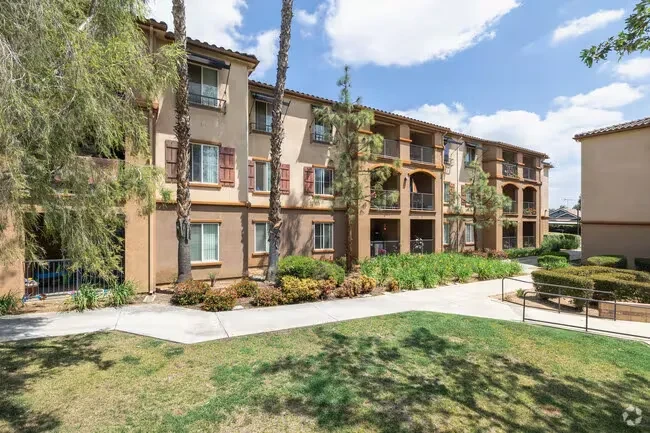
The decision to consider a senior apartment rental often marks the beginning of an exciting new chapter. Far more than a change of address, it represents an opportunity to embrace a lifestyle designed for comfort, connection, and peace of mind. For many older adults, the move to a senior apartment community is not about giving up independence but about gaining a richer, more supported way of living. With maintenance-free living, built-in social opportunities, and amenities tailored to the needs of older adults, these communities offer a thoughtful alternative to the responsibilities and isolation that can accompany homeownership.
Why Senior Apartment Rentals Are Gaining Popularity
For generations, owning a home was viewed as the ultimate achievement. Today, many seniors are rethinking that assumption and discovering that renting in a senior-focused community offers advantages that traditional homeownership cannot provide.
Freedom from Home Maintenance
The physical demands of maintaining a home grow heavier with each passing year. Yard work, snow removal, gutter cleaning, painting, and routine repairs become increasingly challenging. In a senior apartment community, these responsibilities disappear. Maintenance teams handle repairs, grounds crews manage landscaping, and residents are free to spend their time as they choose—whether that means pursuing hobbies, visiting with friends, or simply relaxing.
Financial Predictability
Homeownership often brings unexpected expenses—a failing furnace, a leaky roof, or rising property taxes can disrupt even the most carefully planned retirement budget. Renting provides a predictable monthly expense, allowing for more accurate financial planning. Many senior apartment communities include utilities, maintenance, and amenities in the monthly rent, further simplifying budgeting.
Social Connection and Community
Isolation is a significant concern for many older adults, particularly those living alone in single-family homes. Senior apartment communities are intentionally designed to foster connection. Common areas, organized activities, and shared amenities create natural opportunities for friendship. Residents who once felt isolated in their homes often find themselves surrounded by peers who share similar interests and life experiences.
Flexibility and Freedom
Renting offers a level of flexibility that ownership cannot match. Want to spend winter months in a warmer climate? Lock your door and go without worrying about home maintenance. Considering a move to be closer to family? A rental arrangement makes that transition simpler. The ability to adapt living situations as needs and circumstances evolve is a significant advantage of the rental lifestyle.
Types of Senior Apartment Communities
The senior rental landscape offers a variety of options, each designed to meet different needs and preferences.
Independent Living Communities
These communities are designed for active, healthy seniors who seek a maintenance-free lifestyle and opportunities for social engagement.
What They Offer: Private apartments ranging from studios to two-bedroom units, often with full kitchens. Amenities typically include dining options, fitness centers, swimming pools, libraries, and activity rooms.
Services Included: Housekeeping, laundry, transportation, and social programming are often available either included in rent or for an additional fee.
Who Thrives Here: Seniors who are capable of living independently but desire the convenience, community, and security that a dedicated senior environment provides.
Assisted Living Residences
Assisted living offers a middle ground—privacy and independence with the availability of personal care support.
What They Offer: Private or semi-private apartments with kitchenettes. The focus is on providing assistance with activities of daily living while maintaining residents’ autonomy.
Services Included: Three meals daily, housekeeping, laundry, medication management, and assistance with bathing, dressing, and mobility. Staff is available 24 hours a day to respond to needs.
Who Thrives Here: Seniors who value their independence but require regular support with daily activities. This option provides peace of mind for residents and their families.
Continuing Care Retirement Communities
These communities offer a full continuum of care on a single campus, allowing residents to transition between independent living, assisted living, and skilled nursing as their needs change.
What They Offer: A campus setting with multiple levels of care. Residents typically begin in independent living and have priority access to higher levels of care when needed.
Financial Models: Some CCRCs operate on a rental model, while others require an entrance fee in addition to monthly charges.
Who Thrives Here: Seniors who want the security of knowing that future care needs can be met without relocating to a new community.
Age-Restricted Conventional Apartments
Not all senior rentals are part of dedicated senior communities. Many conventional apartment buildings welcome older residents and offer features that appeal to seniors.
What They Offer: Market-rate apartments in buildings that may include elevators, first-floor units, and accessible design features.
Services Included: Maintenance, utilities may be included, and some buildings offer community rooms or fitness centers.
Who Thrives Here: Fully independent seniors who prefer to arrange their own social lives and services and who value the intergenerational atmosphere of a conventional apartment building.
Key Features to Consider When Choosing a Senior Apartment
Selecting the right senior apartment involves evaluating both the physical space and the community environment.
Location and Surroundings
Consider proximity to family, healthcare providers, places of worship, shopping, and recreational activities. A community located conveniently to the people and places that matter most can significantly enhance quality of life. Also consider the surrounding neighborhood—is it safe, walkable, and pleasant?
Apartment Design and Accessibility
Look for features that support comfort and safety:
Single-level living or elevator access
Wide doorways and hallways to accommodate mobility aids
Walk-in showers with grab bars
Lever-style door handles and faucets
Good lighting throughout
Emergency call systemsAmenities and Services
Consider which amenities matter most to your lifestyle:
On-site dining options
Fitness facilities with senior-appropriate equipment
Swimming pools or therapy pools
Transportation services
Housekeeping and laundry
Social and recreational programming
Library, craft rooms, and gathering spacesCommunity Atmosphere
The culture of a community can profoundly affect daily life. Visit at different times of day, observe interactions between staff and residents, and talk with current residents about their experiences. A welcoming, engaged community will feel evident in the laughter from common rooms, the friendliness of staff, and the overall energy of the environment.
Staff and Management
The quality of the management team and staff directly impacts resident satisfaction. Look for communities where staff members are visible, responsive, and genuinely caring. Ask about staff turnover rates and training requirements. A stable, well-trained team is a hallmark of a well-managed community.
Understanding Costs and Financial Considerations
Senior apartment rental costs vary widely based on location, community type, apartment size, and included services.
Independent Living Costs
Monthly rents typically range from $1,500 to $4,500 or more, depending on the market. This often includes rent, maintenance, some utilities, and access to amenities. Additional services such as meals, housekeeping, and transportation may be available for extra fees.
Assisted Living Costs
Assisted living generally ranges from $3,500 to $7,500 or more monthly. This base rate typically covers rent, three meals daily, housekeeping, laundry, and a baseline level of personal care. Additional care services beyond the base level often incur extra charges.
What to Ask About Pricing
When evaluating costs, ask specific questions:
What is included in the monthly rent?
What services are available for additional fees?
How are rent increases determined? What has the history of increases been?
Are there any move-in fees or community fees?
For assisted living, how are care levels assessed and priced?
What happens if my health needs change?Financial Assistance Options
Some seniors may qualify for financial assistance with senior housing:
Medicaid waivers in many states cover assisted living for eligible individuals
Veterans benefits may provide assistance for qualifying veterans and spouses
Local programs through Area Agencies on Aging may offer support
Some nonprofit senior housing communities offer sliding-scale rentsSteps to Finding Your Senior Apartment
Taking a methodical approach can help you navigate the search with confidence.
Step 1: Clarify Your Needs and Preferences
Begin by reflecting on what matters most. Consider:
What level of assistance, if any, do I need?
What location is ideal for proximity to family and services?
What is my realistic budget?
What amenities are essential versus nice to have?
What kind of community atmosphere suits me best?Step 2: Research Options
Use multiple sources to identify potential communities:
Contact your local Area Agency on Aging for information on local senior housing
Ask friends, family, and healthcare providers for recommendations
Use online directories specific to senior living
Drive through neighborhoods you love and look for senior communitiesStep 3: Conduct Initial Screenings
Before visiting, call or email communities to ask preliminary questions:
Do you have availability in the size and type of apartment I need?
What is the approximate monthly rent and what does it include?
Are there any waiting lists?
What is your pet policy?
Do you offer trial stays or short-term visits?Step 4: Visit In Person
Schedule visits to your top choices. Tour the community thoroughly:
Visit at different times—during meals, activities, and quiet hours
Eat a meal if possible to assess food quality and dining atmosphere
Talk with residents away from staff about their experiences
Observe the condition of common areas and grounds
Note the demeanor of staff members and their interactions with residentsStep 5: Ask Important Questions
Come prepared with a list of questions:
What is included in the monthly rent?
How are maintenance requests handled?
What happens in an emergency?
Can I see a sample lease?
What is the policy on guests and overnight visitors?
How does the community handle resident concerns or complaints?
What is the process if I need more care than currently provided?Step 6: Review the Lease Carefully
Before signing, thoroughly review all documents:
Understand the lease term and renewal conditions
Know the notice period for moving out
Clarify what circumstances allow for termination without penalty
Review any additional agreements regarding services or careStep 7: Plan Your Transition
Moving to a senior apartment involves both practical and emotional adjustments:
Consider hiring a senior move manager to assist with downsizing
Schedule your move during a less busy time
Introduce yourself to neighbors soon after arrival
Attend community activities from the beginning
Give yourself permission to feel a range of emotions—excitement, nostalgia, anticipation—all are normalCommon Concerns and How to Address Them
What if I don’t need assistance now but might in the future?
Many seniors choose independent living communities with the understanding that they can access additional support services as needed. Some communities offer à la carte care services, allowing residents to add help gradually. Continuing care communities offer the most comprehensive approach to future needs.
What about my belongings?
Downsizing can be emotionally challenging. Work at your own pace, keeping items that hold deep meaning and letting go of what no longer serves your life. Consider photographing sentimental items before passing them along to family members. Many seniors find that living with fewer possessions brings a sense of lightness and freedom.
Will I be able to maintain my independence?
Senior apartments are designed to support independence, not diminish it. You control your daily schedule, your social choices, and how you spend your time. The services provided remove barriers to independence—like home maintenance and chores—allowing you to focus on what you truly enjoy.
How do I know if I’m ready to move?
There is no single right time. Many seniors find that moving while they are healthy and able to participate fully in community life leads to a smoother transition and richer experience. Signs that it may be time include increasing difficulty with home maintenance, feelings of isolation, concern about safety, or simply a desire for a more social lifestyle.
What to Expect in the Years Ahead
The senior rental landscape continues to evolve, with growing emphasis on wellness, personalization, and innovative programming. Communities are increasingly offering:
Enhanced wellness programs focusing on physical, social, and cognitive health
Technology integration for safety, communication, and entertainment
More diverse dining options with attention to nutritional needs
Intergenerational programming connecting residents with younger generations
Flexible service models that adapt to changing needsMaking Your Decision
Choosing a senior apartment is a deeply personal decision. It is about finding a place where you feel safe, comfortable, and welcomed—a place that supports the life you want to live. The right community will feel like a natural extension of who you are, offering not just an apartment but a foundation for continued growth, connection, and joy.
Take your time. Visit multiple communities. Ask questions. Trust your instincts. And remember that this transition is not about leaving your life behind—it is about creating a home that truly supports the next chapter. The perfect place is out there, waiting to welcome you.


