
'%3e%3crect%20width='16'%20height='16'%20fill='%23929CE8'/%3e%3cpath%20d='M4.80395%209.25522C4.30328%2010.7455%204.20056%2012.0648%204.53926%2012.8777C2.94698%2011.6407%202.11814%209.71093%202.23716%207.77329L4.80395%209.25522ZM11.5419%2013.1454C9.92283%2014.2176%207.83647%2014.4642%205.96854%2013.7029C6.84211%2013.5905%207.93343%2012.8422%208.97423%2011.6629L11.5419%2013.1454ZM8.0101%2011.1063C7.66441%2011.4811%207.3214%2011.7962%206.99402%2012.042C6.57247%2012.3583%206.22163%2012.529%205.96717%2012.5959C5.84437%2012.6282%205.76121%2012.6321%205.71278%2012.6283C5.66953%2012.625%205.65202%2012.6158%205.64635%2012.6125C5.6407%2012.6093%205.62333%2012.5986%205.5986%2012.5624C5.57116%2012.5222%205.53288%2012.4483%205.49948%2012.3259C5.43029%2012.072%205.40259%2011.6828%205.46579%2011.1596C5.51493%2010.7533%205.61634%2010.2986%205.76808%209.81186L8.0101%2011.1063ZM6.42815%205.99476C6.25303%206.2565%206.07971%206.52797%205.91577%206.81191C5.64278%207.28475%205.40732%207.75997%205.20353%208.22522L2.42278%206.61975C2.55579%206.11523%202.75586%205.61901%203.0293%205.14541C3.1934%204.86123%203.37804%204.59618%203.57889%204.34974L6.42815%205.99476ZM10.0402%208.08021C9.90388%208.36104%209.75491%208.64668%209.58961%208.93301C9.31259%209.41282%209.01777%209.85437%208.71753%2010.254L6.15329%208.77356C6.34929%208.3137%206.58342%207.83714%206.86044%207.35732C7.02576%207.07101%207.19949%206.79966%207.37452%206.54114L10.0402%208.08021ZM13.8359%2010.2716C13.7229%2010.5688%2013.5857%2010.8612%2013.4216%2011.1454C13.1482%2011.619%2012.8185%2012.0404%2012.448%2012.4078L9.66729%2010.8024C9.9683%2010.3933%2010.2613%209.95125%2010.5343%209.47842C10.6982%209.19447%2010.8475%208.90911%2010.9866%208.62659L13.8359%2010.2716ZM10.4815%202.5874C9.49479%202.71443%208.22953%203.6534%207.07469%205.10734L4.37089%203.5463C6.04534%202.14337%208.39965%201.73925%2010.4815%202.5874ZM10.851%203.72875C10.8784%203.76885%2010.9166%203.84275%2010.9501%203.96527C11.0193%204.21911%2011.047%204.60828%2010.9838%205.13153C10.9152%205.6989%2010.7452%206.36021%2010.4762%207.07121L8.03036%205.6591C8.51156%205.0707%208.99852%204.59229%209.45554%204.2492C9.87701%203.93288%2010.2279%203.76226%2010.4824%203.69525C10.6051%203.66297%2010.6882%203.65917%2010.7368%203.66283C10.7804%203.66618%2010.7984%203.67587%2010.8041%203.67912C10.8097%203.68241%2010.8264%203.69294%2010.851%203.72875ZM11.9099%203.41211C13.6859%204.79094%2014.5135%207.03213%2014.1357%209.184L11.4319%207.62296C12.114%205.89537%2012.2936%204.33004%2011.9099%203.41211Z'%20fill='white'/%3e%3c/g%3e%3cdefs%3e%3cclipPath%20id='clip0_1_2'%3e%3crect%20width='16'%20height='16'%20fill='white'/%3e%3c/clipPath%3e%3c/defs%3e%3c/svg%3e)


 Understanding 2026 Solar Panel Grant Programs
 Understanding 2026 Solar Panel Grant Programs
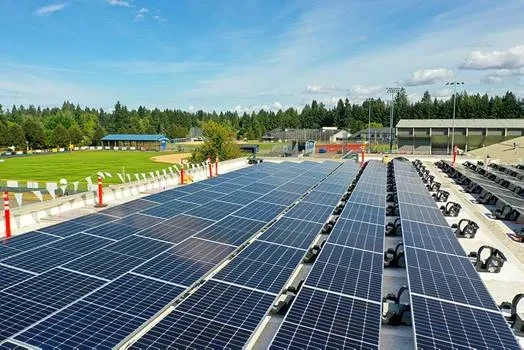
The movement toward renewable energy has gained remarkable momentum, and 2026 solar panel grant programs represent a significant opportunity for homeowners to embrace clean, sustainable power without bearing the full financial weight of installation. These initiatives are designed to bridge the gap between environmental responsibility and economic practicality, making solar energy accessible to households across the country.
Homeowners seeking information about solar grant programs for 2026 can explore resources such as state energy offices, federal Department of Energy publications, local government sustainability departments, and regional clean energy organizations. Each of these sources provides valuable insights into the types of assistance available, the application timelines, and the specific requirements that must be met. By dedicating time to research, homeowners can uncover programs that align with their unique circumstances, helping to transform the dream of solar-powered living into a tangible reality.
Exploring Available 2026 Solar Grant Options
The landscape of solar grant programs is diverse, reflecting the varied needs of homeowners and the communities in which they live. Some programs focus on making solar accessible to households in specific geographic regions, while others target particular types of properties or homeowner circumstances.
Common Types of Solar Grant Structures
Many grant programs offer funding that can be applied directly to installation costs, reducing the amount a homeowner needs to finance or pay out of pocket. Others operate through a reimbursement model, where homeowners pay upfront and receive funds after the system is operational and inspected. Some initiatives combine grant funding with technical assistance, providing guidance on system sizing, installer selection, and ongoing maintenance to ensure that homeowners maximize the long-term benefits of their investment.
Program Priorities and Focus Areas
Certain grant programs prioritize homes with older electrical systems that would benefit from modernization alongside solar installation. Others focus on properties located in areas with historically high energy costs, recognizing that solar adoption can provide immediate and meaningful financial relief. Understanding these priorities helps homeowners identify which programs are most likely to view their application favorably.
Age-Based Solar Grant Incentives for 2026
Recognizing that homeowners at different stages of life have distinct financial priorities and energy needs, many 2026 solar panel grant programs incorporate age-specific considerations into their eligibility criteria and funding structures. Homeowners in their 40s may be focused on maximizing property value and long-term investment returns, while those approaching retirement may prioritize predictable monthly expenses and energy independence. The following breakdown highlights the types of incentives that may be available across different age groups.
Grants for the 40-45 Years Age Group
Homeowners in their early to mid-40s often find themselves in a period of peak earning potential while also managing significant financial responsibilities such as mortgages, education expenses, and retirement savings. Solar panel grants for the 40-45 years age group may include incentives that reward comprehensive energy planning, such as funding for systems that are sized to accommodate future electric vehicle charging or anticipated increases in household energy use. Some programs in this category offer extended warranty packages or performance guarantees that provide peace of mind over the decades of use ahead.
Grants for the 46-50 Years Age Group
For homeowners aged 46-50, solar panel installation represents an opportunity to lock in predictable energy costs during a period when long-term financial planning becomes increasingly important. Grants targeting this age group may include provisions for energy storage systems that allow homeowners to store excess power for use during peak rate periods or grid outages. Some programs also offer educational components that help homeowners understand how solar energy interacts with property tax assessments and home resale value, supporting informed decision-making.
Grants for the 51-55 Years Age Group
As homeowners enter their 50s, the focus often shifts toward creating a home environment that supports a comfortable and financially stable future. Solar panel grants for the 51-55 years age group may prioritize systems that integrate seamlessly with other home upgrades, such as energy-efficient windows, improved insulation, or smart home energy management systems. Some programs offer enhanced funding levels for homeowners who can demonstrate that their solar installation will be part of a broader strategy to reduce overall household energy consumption.
Grants for the 56-60 Years Age Group
Homeowners aged 56-60 frequently begin evaluating their homes through the lens of retirement readiness. Solar panel grants for this age group may include provisions for systems that are designed with accessibility and ease of maintenance in mind, such as ground-mounted arrays that eliminate the need for roof access or monitoring systems that provide clear, simple reporting on system performance. Some programs also offer assistance with navigating the process of selecting qualified installers and understanding the long-term warranty and service agreements that protect the investment.
Grants for the 61-65 Years Age Group
For homeowners in their early to mid-60s, the reliability and predictability of monthly expenses take on heightened importance. Solar panel grants for the 61-65 years age group often feature streamlined application processes that reduce paperwork and expedite approval timelines. Some programs in this category offer dedicated support lines or in-person assistance to help homeowners understand the technical aspects of solar installation and evaluate the projected savings based on their specific energy usage patterns and local utility rates.
Grants for the 66+ Years Age Group
Homeowners aged 66 and older have unique considerations when it comes to home energy improvements. Solar panel grants for the 66+ years age group may include options for community solar participation, which allows homeowners to benefit from solar energy without requiring installation on their own property—an ideal solution for those who may have roof limitations, live in multi-unit buildings, or prefer to avoid the disruption of construction. Some programs also offer enhanced funding levels for households where solar installation can provide meaningful relief from rising utility costs that impact fixed retirement incomes.
How to Identify the Right Grant Program for Your Situation
Finding the solar grant program that best fits your needs requires a methodical approach. Begin by gathering information about the programs available in your state and local community. State energy offices typically maintain comprehensive lists of current incentives, including grant programs, tax credits, and utility rebates. Many also offer search tools that allow you to filter programs based on your location, income level, and the type of installation you are considering.
Key Factors to Consider
- Geographic Availability: Some programs are limited to specific counties, utility service areas, or climate zones
- Timing and Deadlines: Grant cycles often have defined application periods; understanding these windows helps you plan accordingly
- Installation Requirements: Programs may specify minimum system sizes, efficiency standards, or require that work be performed by approved contractors
- Income Considerations: While many programs are available to homeowners at all income levels, some prioritize households with moderate or limited incomes
- Combining Incentives: Understanding how grants interact with federal tax credits and local utility programs helps you maximize total support
Steps to Access 2026 Solar Panel Grants
Taking action to secure solar grant funding involves several important stages, each of which benefits from careful attention to detail.
Begin with Research
Start by exploring official state and federal energy websites to identify programs currently accepting applications. Sign up for email alerts from your state energy office to receive notifications about new funding cycles and deadlines.
Evaluate Your Home's Solar Potential
Understanding your property's solar viability helps you target the right programs. Factors such as roof orientation, shading from trees or neighboring buildings, and the age and condition of your roof all influence the feasibility and cost of solar installation. Many grant programs require or recommend a professional site assessment as part of the application process.
Gather Required Documentation
Most grant applications require proof of homeownership, recent utility bills showing your energy usage, property tax information, and identification. Having these documents organized in advance streamlines the application process and helps ensure you meet submission deadlines.
Consult with Qualified Installers
Working with experienced, licensed solar installers is essential for both grant compliance and system performance. Reputable installers can help you understand which grant programs your home qualifies for, provide accurate cost estimates, and handle the technical documentation required for grant applications.
Submit Applications Early
Grant funding is often limited and distributed on a first-come, first-served basis. Submitting applications as early as possible increases your chances of securing support. Keep copies of all submitted materials and note any follow-up communications required by the program administrators.
Plan for Installation
Once grant approval is received, coordinate with your chosen installer to schedule the work. Be aware of any deadlines for project completion specified by the grant program, and ensure that all required inspections and documentation are completed promptly after installation.
Additional Resources for Homeowners
Beyond grant programs, homeowners exploring solar energy can benefit from a range of supporting resources. Many states offer free or low-cost energy audits that help identify opportunities for efficiency improvements that complement solar installation. Utility companies frequently provide educational materials about net metering policies, which allow homeowners to receive credit for excess power their systems generate. Local libraries, senior centers, and community organizations sometimes host informational sessions where homeowners can learn about solar energy and connect with experienced installers and program representatives.
Conclusion
The transition to solar energy represents a significant step toward energy independence, environmental stewardship, and long-term household financial stability. For homeowners in 2026, a growing array of grant programs makes this transition more accessible than ever before. By understanding the types of support available, recognizing how age-specific incentives may apply to your situation, and taking a structured approach to research and application, you can access the resources needed to bring solar power to your home.
Whether you are in your 40s planning for decades of energy savings, approaching retirement and seeking predictable expenses, or enjoying your retirement years and looking to maximize comfort on a fixed income, there are programs designed to support your journey. The investment of time spent exploring grant opportunities today can yield years of reduced utility costs, increased home value, and the satisfaction of contributing to a cleaner, more sustainable future.


