
'%3e%3crect%20width='16'%20height='16'%20fill='%23929CE8'/%3e%3cpath%20d='M4.80395%209.25522C4.30328%2010.7455%204.20056%2012.0648%204.53926%2012.8777C2.94698%2011.6407%202.11814%209.71093%202.23716%207.77329L4.80395%209.25522ZM11.5419%2013.1454C9.92283%2014.2176%207.83647%2014.4642%205.96854%2013.7029C6.84211%2013.5905%207.93343%2012.8422%208.97423%2011.6629L11.5419%2013.1454ZM8.0101%2011.1063C7.66441%2011.4811%207.3214%2011.7962%206.99402%2012.042C6.57247%2012.3583%206.22163%2012.529%205.96717%2012.5959C5.84437%2012.6282%205.76121%2012.6321%205.71278%2012.6283C5.66953%2012.625%205.65202%2012.6158%205.64635%2012.6125C5.6407%2012.6093%205.62333%2012.5986%205.5986%2012.5624C5.57116%2012.5222%205.53288%2012.4483%205.49948%2012.3259C5.43029%2012.072%205.40259%2011.6828%205.46579%2011.1596C5.51493%2010.7533%205.61634%2010.2986%205.76808%209.81186L8.0101%2011.1063ZM6.42815%205.99476C6.25303%206.2565%206.07971%206.52797%205.91577%206.81191C5.64278%207.28475%205.40732%207.75997%205.20353%208.22522L2.42278%206.61975C2.55579%206.11523%202.75586%205.61901%203.0293%205.14541C3.1934%204.86123%203.37804%204.59618%203.57889%204.34974L6.42815%205.99476ZM10.0402%208.08021C9.90388%208.36104%209.75491%208.64668%209.58961%208.93301C9.31259%209.41282%209.01777%209.85437%208.71753%2010.254L6.15329%208.77356C6.34929%208.3137%206.58342%207.83714%206.86044%207.35732C7.02576%207.07101%207.19949%206.79966%207.37452%206.54114L10.0402%208.08021ZM13.8359%2010.2716C13.7229%2010.5688%2013.5857%2010.8612%2013.4216%2011.1454C13.1482%2011.619%2012.8185%2012.0404%2012.448%2012.4078L9.66729%2010.8024C9.9683%2010.3933%2010.2613%209.95125%2010.5343%209.47842C10.6982%209.19447%2010.8475%208.90911%2010.9866%208.62659L13.8359%2010.2716ZM10.4815%202.5874C9.49479%202.71443%208.22953%203.6534%207.07469%205.10734L4.37089%203.5463C6.04534%202.14337%208.39965%201.73925%2010.4815%202.5874ZM10.851%203.72875C10.8784%203.76885%2010.9166%203.84275%2010.9501%203.96527C11.0193%204.21911%2011.047%204.60828%2010.9838%205.13153C10.9152%205.6989%2010.7452%206.36021%2010.4762%207.07121L8.03036%205.6591C8.51156%205.0707%208.99852%204.59229%209.45554%204.2492C9.87701%203.93288%2010.2279%203.76226%2010.4824%203.69525C10.6051%203.66297%2010.6882%203.65917%2010.7368%203.66283C10.7804%203.66618%2010.7984%203.67587%2010.8041%203.67912C10.8097%203.68241%2010.8264%203.69294%2010.851%203.72875ZM11.9099%203.41211C13.6859%204.79094%2014.5135%207.03213%2014.1357%209.184L11.4319%207.62296C12.114%205.89537%2012.2936%204.33004%2011.9099%203.41211Z'%20fill='white'/%3e%3c/g%3e%3cdefs%3e%3cclipPath%20id='clip0_1_2'%3e%3crect%20width='16'%20height='16'%20fill='white'/%3e%3c/clipPath%3e%3c/defs%3e%3c/svg%3e)


 Introduction
 Introduction
The concept of buy-now-pay-later e-bikes has emerged as a significant development in the sustainable transportation landscape, offering consumers a pathway to electric bicycle ownership without the barrier of substantial upfront costs. As urban mobility needs evolve and environmental consciousness grows, electric bicycles have become increasingly popular for commuting, recreation, and commercial applications. This article examines the mechanics of buy-now-pay-later financing models specifically tailored for e-bikes, exploring their advantages, practical applications, and how they can make sustainable transportation accessible to a broader audience.
Fundamentals of Buy-Now-Pay-Later E-Bikes
Buy-now-pay-later is a payment structure that enables consumers to acquire products immediately while spreading payments over a defined period, often with minimal or no interest charges. When applied to electric bicycles, this model addresses one of the primary barriers to e-bike adoption: the significant initial investment required for quality models.
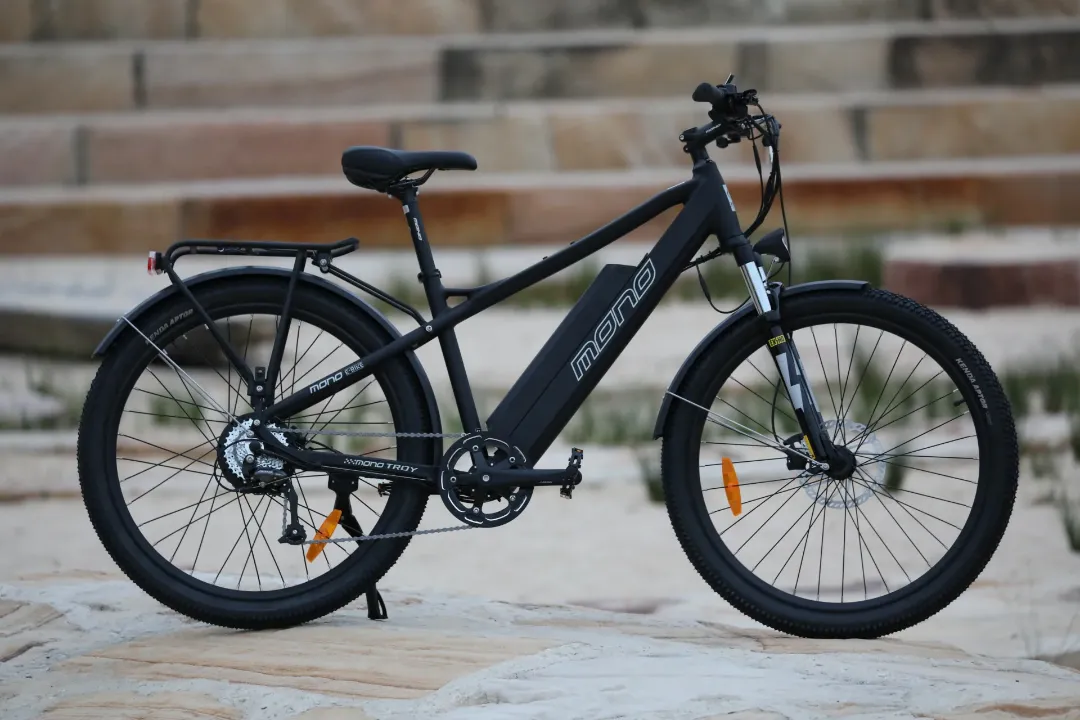
Electric bicycles, or e-bikes, are bicycles equipped with integrated electric motors that assist with pedaling. They range from city commuter models designed for urban navigation to mountain e-bikes built for off-road terrain and cargo e-bikes suited for transporting goods. The price of quality e-bikes typically ranges from $1,500 to $5,000 or more, making the financial accessibility provided by BNPL options particularly valuable.
The growth of BNPL e-bike offerings parallels the broader expansion of micro-mobility solutions. As cities invest in bike infrastructure and consumers seek alternatives to car-dependent transportation, financing options have evolved to meet this demand. Retailers, manufacturers, and third-party financing companies now offer structured payment plans that allow consumers to bring e-bikes into their lives while managing cash flow effectively.
Applications of Buy-Now-Pay-Later E-Bikes
Personal Commuting
For daily commuters, the decision to invest in an e-bike often involves weighing upfront costs against long-term savings on fuel, parking, and public transportation. Buy-now-pay-later options enable commuters to acquire a quality e-bike and begin realizing these savings immediately while spreading payments over several months. This approach can make e-bike commuting financially viable for individuals who might otherwise rely on more expensive transportation methods.
Recreation and Family Activities
E-bikes have opened new possibilities for recreational cycling, allowing riders of varying fitness levels to enjoy longer distances and more challenging terrain. Families seeking to cycle together may face significant costs when purchasing multiple e-bikes. BNPL financing allows families to acquire several units without depleting savings, making outdoor activities more accessible.
Delivery and Service Industries
The expansion of local delivery services has created substantial demand for efficient, cost-effective transportation solutions. E-bikes offer advantages over motor vehicles for last-mile delivery, including lower operating costs, reduced parking challenges, and access to bike lanes. For small businesses and independent contractors, BNPL options enable fleet expansion without substantial capital investment.
Health and Wellness
For individuals incorporating cycling into health routines, e-bikes provide the flexibility to control physical exertion levels while enjoying extended rides. BNPL financing removes financial obstacles for those seeking to invest in their health through active transportation.
Key Features of Buy-Now-Pay-Later E-Bike Programs
Flexible Payment Structures
BNPL programs typically offer payment terms ranging from three to twelve months, with some extending to longer periods. Customers can select schedules that align with their income patterns and budgetary constraints.
No or Low Interest Options
Many BNPL providers offer zero-interest financing for promotional periods or for customers who maintain on-time payments. This feature distinguishes BNPL from traditional credit options that accrue interest from the purchase date.
Immediate Ownership and Use
Unlike layaway programs that require full payment before possession, BNPL arrangements allow customers to take delivery of their e-bikes immediately upon approval, enabling instant use and enjoyment.
Streamlined Application Processes
BNPL applications typically require minimal documentation and provide rapid decisions, often within minutes. This efficiency contrasts with traditional financing that may involve extensive paperwork and waiting periods.
| Feature | Benefits |
|---|---|
| Flexible Payment Structures | Adapt to individual cash flow and income timing |
| No or Low Interest | Reduce total cost compared to credit card financing |
| Immediate Ownership | Begin using e-bike without waiting for full payment |
| Streamlined Applications | Quick approval with minimal documentation |
Steps to Acquire a Buy-Now-Pay-Later E-Bike
Research E-Bike Models and Specifications
Begin by identifying e-bike models that align with your intended use, whether commuting, recreation, or cargo transport. Consider factors such as motor power, battery range, weight, frame style, and additional features like integrated lights or racks. Understanding your requirements helps narrow options to models available through BNPL programs.
Identify Retailers Offering BNPL Financing
Not all e-bike retailers offer BNPL options, and those that do may work with different financing partners. Research retailers in your area or online that carry your preferred models and verify their BNPL availability. Many major e-bike brands partner with third-party financing companies to provide these options.
Review BNPL Terms and Conditions
Before applying, carefully review the terms of available financing options. Pay attention to payment schedules, interest rates, late payment penalties, and any requirements for automatic payments. Understanding these details helps avoid unexpected obligations.
Complete the Application
BNPL applications typically require basic personal information, employment details, and may involve a soft credit inquiry that does not affect credit scores. Complete the application through the retailer's website or financing partner's portal.
Select Your Payment Plan
Upon approval, choose a payment schedule that fits your financial situation. Consider monthly payment amounts, total payment period, and whether automatic withdrawals align with your account balances.
Finalize Purchase and Take Delivery
Complete the purchase transaction, arrange for delivery or pickup, and begin enjoying your e-bike while adhering to the payment schedule.
Case Studies of Buy-Now-Pay-Later E-Bike Users
Case Study: Urban Commuter
Marcus, a graphic designer living in a metropolitan area, faced a daily commute that combined train travel with a long walk. An e-bike would reduce his commute time significantly, but the upfront cost of a quality commuter model exceeded his available savings. Using a BNPL option with six monthly payments, Marcus acquired his e-bike, began commuting immediately, and redirected savings from reduced transit costs toward his payments. Within the payment period, the e-bike had paid for itself through transportation savings.
Case Study: Small Business Owner
Elena operates a local flower shop and sought to expand her delivery capabilities without purchasing a delivery vehicle. She acquired two cargo e-bikes through a BNPL program, spreading payments over eight months. The e-bikes enabled same-day delivery services that increased customer satisfaction and generated additional revenue sufficient to cover the financing costs while building business capacity.
Case Study: Retiree Recreation
After retirement, William wanted to explore local trails but found traditional cycling challenging due to joint concerns. An e-bike offered the solution, but the investment represented a significant expense. Through a BNPL plan with twelve-month payments, William acquired a comfort-oriented e-bike and now rides regularly, noting that the structured payments made the purchase manageable within his fixed income.
Comparing Buy-Now-Pay-Later with Traditional Purchase Options
| Aspect | Buy-Now-Pay-Later | Traditional Purchase | Credit Card Purchase |
|---|---|---|---|
| Upfront Cost | Low or none | Full payment required | Full payment required |
| Payment Flexibility | Structured installments | None | Minimum payments available |
| Interest | Often 0% for promotional period | N/A | Variable, often 15-25% APR |
| Application Process | Quick, minimal documentation | N/A | Credit check required |
| Ownership Timing | Immediate | Immediate | Immediate |
Advanced Strategies for Utilizing Buy-Now-Pay-Later E-Bikes
Integrate with Transportation Budgeting
Treat BNPL payments as a predictable transportation expense within your monthly budget. Calculate the total cost of alternative transportation methods you are replacing and use those savings to offset payment obligations.
Plan for Total Cost of Ownership
Beyond the purchase price, e-bikes require ongoing maintenance, occasional repairs, battery replacement considerations, and insurance or security investments. Factor these costs into your overall budget to ensure the purchase remains sustainable beyond the financing period.
Consider Seasonal Usage Patterns
For those in regions with seasonal weather, timing purchases to maximize usage during favorable months can enhance value. Some BNPL programs offer payment holidays or adjusted schedules that accommodate seasonal income variations.
Explore Combined Purchases
When acquiring e-bikes for multiple family members or a small business fleet, some BNPL programs offer combined financing options with favorable terms. Inquire about volume purchasing arrangements through retailers.
Best Practices for Buy-Now-Pay-Later E-Bike Purchasers
Read Terms Thoroughly
BNPL agreements vary significantly between providers. Understand payment schedules, late fee structures, and any conditions that might trigger interest charges. Some programs retroactively apply interest if payments are missed.
Set Up Payment Reminders
Missing payments can result in fees and, in some cases, interest charges. Establish calendar reminders or automatic payments to maintain schedule compliance.
Verify Warranty Coverage
Ensure that BNPL purchases include standard manufacturer warranties and that financing arrangements do not affect return or exchange policies.
Consider Insurance Options
E-bikes represent significant investments vulnerable to theft or damage. Investigate insurance options through homeowner policies, specialized bicycle insurance, or coverage offered through retailers.
For educational purposes only. Always verify terms directly with providers before committing to financing agreements.
Common Mistakes to Avoid
Choosing Unaffordable Payment Schedules
Selecting the shortest payment term to minimize total cost without considering monthly cash flow can create financial strain. Balance term length with payment affordability.
Overlooking Total Purchase Costs
Focusing solely on monthly payments without calculating total cost may lead to underestimating the financial commitment. Calculate the full payment obligation before committing.
Ignoring Maintenance Requirements
E-bikes require regular maintenance, including brake adjustments, tire replacements, and battery care. Failure to budget for these expenses can lead to reduced e-bike lifespan or unexpected costs.
Skipping Test Rides
Purchasing an e-bike without testing models can result in acquiring a bike that does not suit your riding style, body geometry, or intended use. Test multiple models before finalizing financing.
Frequently Asked Questions
What is a buy-now-pay-later e-bike?
A buy-now-pay-later e-bike is an electric bicycle purchased using a financing arrangement that allows the buyer to take immediate possession while paying the cost in scheduled installments over time.
How does buy-now-pay-later financing work for e-bikes?
Customers select an e-bike, complete a financing application through the retailer or a partner provider, receive approval typically within minutes, and take delivery of the e-bike while committing to a structured payment schedule.
Are there credit requirements for BNPL e-bike financing?
Requirements vary by provider. Some programs perform soft credit inquiries that do not affect credit scores, while others may consider credit history. Income verification is commonly required.
What happens if I miss a payment?
Consequences vary by provider but may include late fees, interest charges on the remaining balance, and potential reporting to credit bureaus. Review specific terms before committing.
Can I return an e-bike purchased through BNPL?
Return policies generally follow the retailer's standard terms, though financing arrangements may need to be canceled or adjusted upon return. Confirm return procedures before purchase.
The Future of Buy-Now-Pay-Later E-Bikes
The BNPL e-bike market is expected to evolve as both the electric bicycle industry and consumer financing sectors mature. Integration with mobile applications may provide more seamless payment management and usage tracking. Subscription models that bundle e-bike access with maintenance and insurance are emerging, offering alternatives to traditional ownership financing.
As battery technology improves and production scales increase, e-bike prices may moderate, potentially reducing the reliance on financing. However, the convenience and flexibility of BNPL options suggest they will remain a significant factor in consumer purchasing decisions, particularly as e-bikes become integrated into broader mobility-as-a-service ecosystems.
Urban planning initiatives, employer commuter benefit programs, and government incentives for electric vehicle adoption may increasingly interact with BNPL offerings, creating additional pathways for accessible e-bike ownership. Consumers who understand these financing tools can position themselves to participate in the growing sustainable transportation movement.
References
Electric Bicycle Market Analysis — Industry Research Reports Consumer Financing Trends in Micro-Mobility — Financial Services Publications Sustainable Urban Transportation Studies — Environmental Research Journals E-Bike Ownership and Maintenance Guides — Cycling Industry Resources


